

Uncategorized
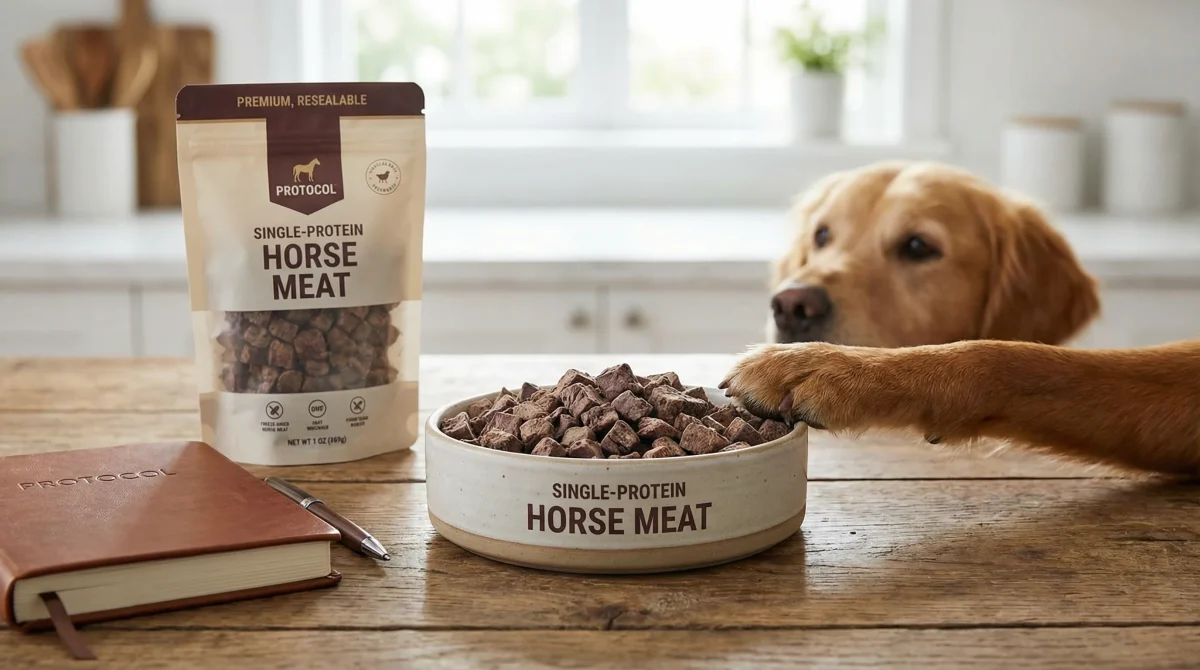
Itchy Dog? Run an Elimination Diet with Single‑Protein Horse Meat
May
Itchy Dog? Run an Elimination Diet with Single‑Protein Horse Meat
Relentless scratching can wear down even the most patient pet parent. When environmental changes fail, a structured food trial may bring clarity and relief. A simple, disciplined plan helps you see real patterns.
This guide walks you through a practical elimination diet using single‑protein horse meat. You will learn how to set up a clean “washout,” run controlled food challenges, and build a reliable long‑term menu. We keep it friendly, precise, and doable at home.
Why choose single‑protein horse meat for an elimination diet
Novel protein logic and when it makes sense
Novel protein horse meat is unfamiliar to many dogs, so immune memory is less likely. This can reduce confounding reactions during trials. Dermatology protocols often use a strict single protein washout, followed by measured challenges to confirm triggers.[1] If your dog reacts to common meats, novel protein horse may provide the cleanest slate.
How freeze‑dried raw formats reduce variables
Freeze‑dried raw dog food keeps ingredient lists short and identifiable. That simplicity limits extra oils, flavorings, or binders that can muddy results. Cross‑contact in some commercial foods has been documented, so choosing clearly sourced, limited‑ingredient formats matters during trials.[2][3]
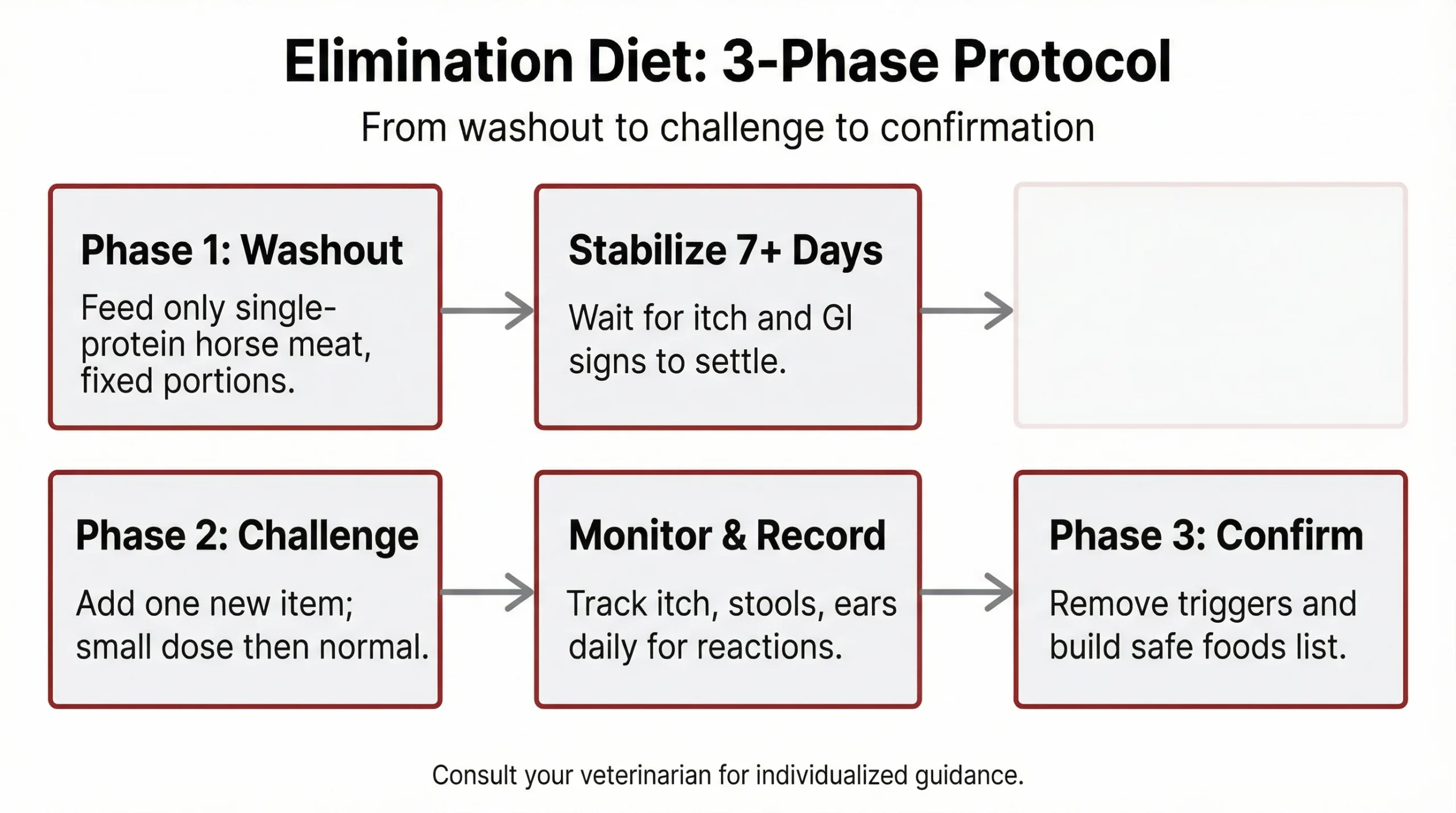
Exact protocol: 3 phases to identify food triggers
Phase 1: Washout with horse meat only (6–8 weeks)
Feed only single‑protein horse meat in consistent portions. Do not add treats, toppers, or supplements unless medically necessary. Many dogs need at least 6–8 weeks for skin to calm and ears to clear, reducing false negatives.[1] Keep water, rest, and routines steady.
Phase 2: Controlled challenges (1 new item per 7–10 days)
Once symptoms improve and hold steady for seven days, add one new item. Keep the dose small for two days, then feed normal portions. Monitor for itch, ear debris, licking, gas, or stool changes across 7–10 days before testing another item.
Phase 3: Build the long‑term menu from tolerated items
List safe proteins, carbs, and produce confirmed in challenges. Build a rotating menu with two to four tolerated proteins. Maintain a core of single protein dog food to stabilize variables. Re‑challenge problem items cautiously after several months, if needed.
Quick decision guide
If your dog is itchy with chronic ear gunk
Start the elimination diet horse meat dog plan now. Clean ears with your vet’s guidance. Replace all chews and treats with the base diet. Expect gradual improvement rather than overnight change.
If your dog has intermittent soft stools or gas
Use horse meat as a clean foundation and hold fiber stable. Avoid sudden fat jumps during challenges. Track stool scores daily and introduce new foods slowly to separate sensitivity from simple transition issues.
If steroids or antihistamines mask symptoms
Work with your vet on a taper plan before starting challenges. Suppressed symptoms make reading results hard. Aim for the lowest effective dose while maintaining comfort during the washout phase.
If your dog has tried fish/duck already
Choose novel protein horse meat to avoid repeat exposures. Many dogs have seen fish or duck in previous foods. A truly new protein improves your odds of seeing a clear response during the washout.
If your dog is a puppy or a senior
Prioritize complete, balanced formulations and predictable calories. Puppies and seniors need steady nutrition. Keep the diet simple but adequate, and consult your vet about growth or geriatric requirements before starting the trial.
If you need travel‑friendly meals during trial
Freeze‑dried formats are lightweight and consistent on the go. Many pet owners find Everfresh Freez-Dried food – Horse 500g helpful for this task. Portability reduces the risk of off‑plan snacks during trips.
If previous trials failed due to hidden ingredients
Review labels and avoid mixed‑protein facilities where possible. Studies have detected undeclared species and discrepancies in some “limited” diets, potentially confounding trials.[2][3][4] Keep the ingredient panel extremely short.
How to prep, portion, and avoid cross‑contamination
Rehydration ratios and consistent serving sizes
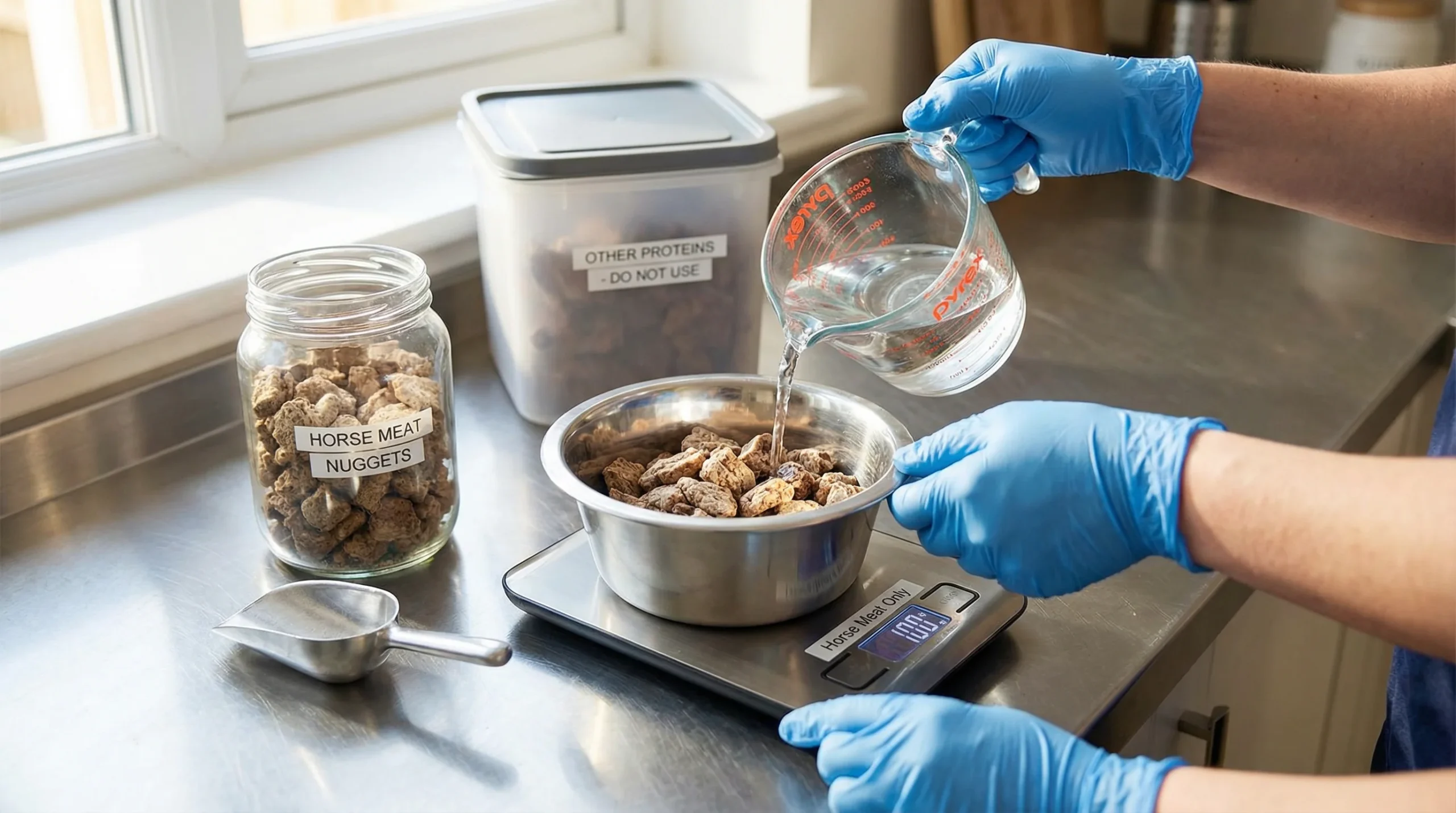
Weigh dry food and rehydrate the same way each meal. Many freeze‑dried diets work well with a 1:2–1:3 water‑to‑food ratio by weight. Consistency improves data quality. For rehydration basics, see a step‑by‑step raw transition with rehydration guidance.
Kitchen hygiene and separating utensils
Dedicate a bowl, scoop, and storage jar to horse meat only. Wash hands and surfaces before handling anything else. Store away from other proteins. These habits help prevent accidental exposure during your hypoallergenic dog diet trial.
Monitoring guidance: what to track and when
Days 7–14: early skin and stool signals
Look for small wins: fewer nighttime scratches, calmer paw licking, reduced ear debris, and more formed stools. Log every change daily. For a downloadable stool and symptom framework, visit our gentle introduction and stool tracking resource.
Weeks 4–8: symptom resolution benchmarks
By weeks four to eight, many dogs show steadier skin and healthier ears if food sensitivity is involved. Aim for two consecutive weeks of improvement before challenges. A stable baseline improves signal detection and confidence.
Practical safety boundaries
When to pause the trial and seek veterinary input
Stop and call your vet if hives, facial swelling, persistent vomiting, bloody stools, or lethargy occur. Rapid weight loss or refusal to eat also warrants help. For general transition tips, see our seven‑day raw shift guide.
Supplements and meds that may confound results
Flavored preventives, treats, dental chews, and unverified oils can add variables. Ask about neutral alternatives during the washout. If medications are essential, keep dosages stable and note timing in your logs.
Evidence status: what research suggests
Food allergy vs. intolerance in canine pruritus
Dogs with cutaneous adverse food reactions may respond during strict elimination and confirm via challenges. However, symptom timelines vary, and non‑immune intolerances may mimic allergy.[1] Careful tracking reduces false reads and supports better decisions.
Why single‑protein, limited‑ingredient diets help
Evidence shows ingredient mislabeling and trace contaminants can occur in pet foods, undermining trials.[2][3] Choosing clearly sourced, single‑protein dog food improves confidence. For a broader raw perspective, explore our practical orientation hub for raw diets.
Checklist and sample logs
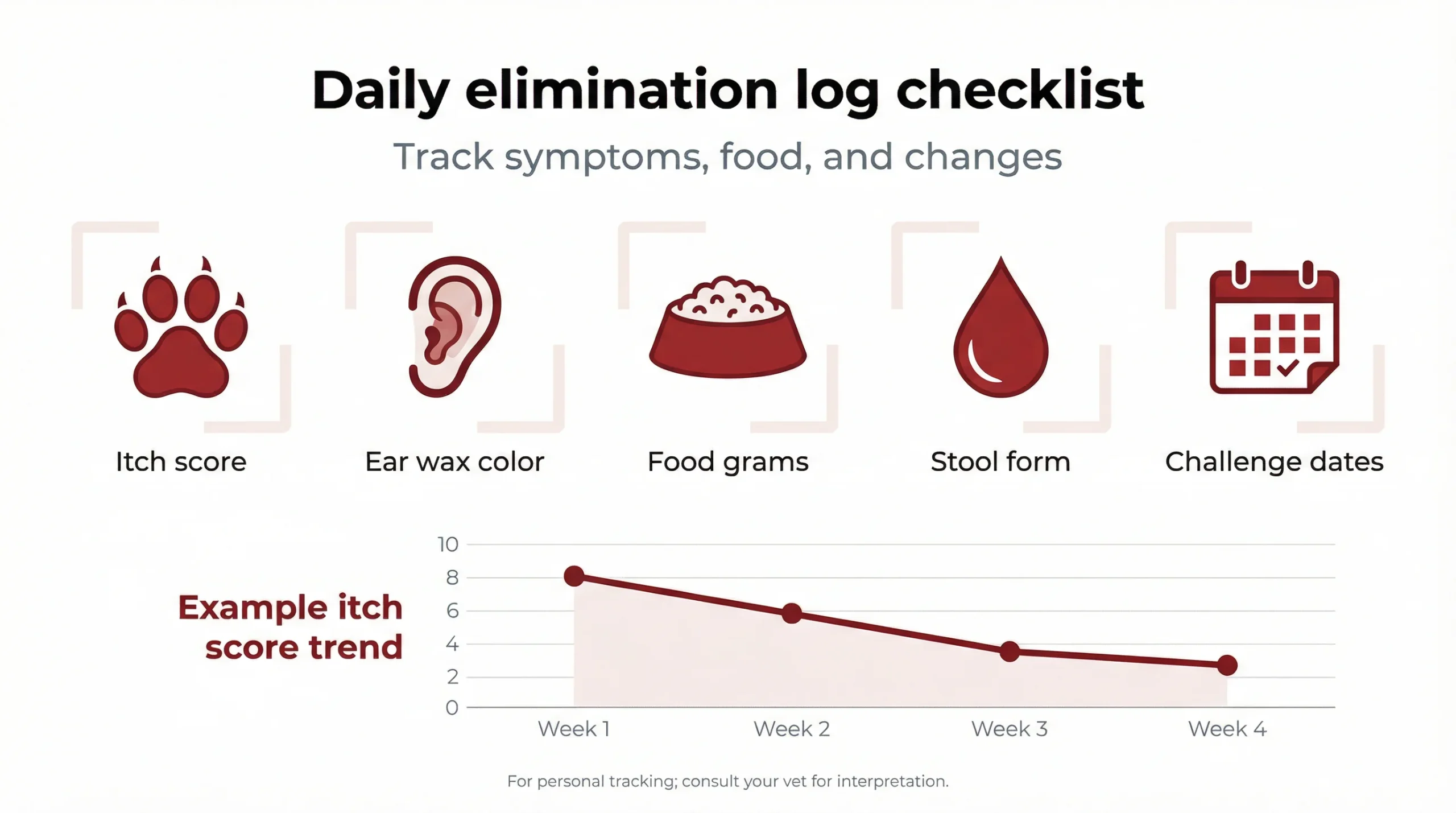
Daily tracking: itch scores, stools, ears, paws
Score itch morning and night on a 0–10 scale. Note paw licking minutes, ear wax color, and stool type. Record food grams served, water added, and any environmental shifts such as pollen or bathing.
Challenge log: timing, dose, and reactions
Write the new item, start date, and first two days’ small dose. Note normal portion days and any skin or GI changes. If reactions appear, stop the item and return to the horse baseline immediately.
Frequently Asked Questions
How long should a dog elimination diet last with horse meat?
Many dermatology protocols suggest 6–8 weeks for the strict elimination phase. Some dogs show improvement by week 3–4, but extending to 8 weeks may reduce false negatives.
Can I use freeze‑dried horse meat for an elimination diet?
Yes, as long as it is a single‑protein, limited‑ingredient product and you rehydrate consistently. Check the label for hidden proteins, flavorings, or oils that could add variables.
What improvements should I expect if food sensitivity is involved?
You may notice reduced scratching, calmer paws, fewer ear issues, and more formed stools within 2–6 weeks. Responses vary; keep detailed logs to identify trends.
When do I start food challenges after the horse meat phase?
Once symptoms have been stable or improved for at least 7 days, introduce one new item at a time for 7–10 days, watching for return of itch or GI signs.
Can supplements or treats ruin the elimination diet?
Yes. Any extra ingredient can confound results. During the strict phase, avoid treats, flavorings, and supplements unless essential and verified as single‑protein and neutral.
Conclusion
A clean, calm, and consistent plan is your best tool against itchy dog food sensitivity. Using novel protein horse meat removes common triggers while you collect better data. Run a strict washout, challenge one item at a time, and build a menu from wins. With steady logs and smart boundaries, you can create a sustainable, confidence‑building routine that supports long‑term comfort. If in doubt, partner with your veterinarian for adjustments and oversight.
References
- H Shimakura et al. (2021). Results of food challenge in dogs with cutaneous adverse food reactions. Veterinary dermatology. View article
- T Olivry et al. (2018). Critically appraised topic on adverse food reactions of companion animals (5): discrepancies between ingredients and labeling in commercial pet foods. BMC veterinary research. View article
- LA Fossati et al. (2019). Determination of mammalian DNA in commercial canine diets with uncommon and limited ingredients. … medicine and science. View article
- R Ricci et al. (2018). Undeclared animal species in dry and wet novel and hydrolyzed protein diets for dogs and cats detected by microarray analysis. BMC veterinary …. View article