

Uncategorized
Animal‑Based Pet Nutrition for Dogs: Freeze‑Dried, Raw, and Functional Feeding Explained
Mar
Animal‑Based Pet Nutrition for Dogs: Freeze‑Dried, Raw, and Functional Feeding Explained
What if your dog’s bowl could deliver raw-level nutrition with pantry-stable convenience? Freeze‑dried dog food makes that balance possible, bringing animal‑based pet nutrition to everyday life—often with optional add‑ins like functional mushrooms for dogs such as Lion’s Mane and Cordyceps for focus, stamina, and immune support—and if you’re weighing processing methods, Freeze‑Dried vs. Air‑Dried vs. Kibble: Which Preserves Animal Nutrients Best? breaks down protein quality, amino acids, fats, micronutrients, digestibility, and palatability with visuals of moisture loss, rehydration yield, and label decoding—and when you’re moving from kibble or canned, guidance like Switching to Freeze‑Dried Raw: A 7‑Day Transition Plan for Dogs—complete with stool scoring, protein/fat adjustments, troubleshooting for loose stool or picky eating, and cues on when to consult a vet—helps make the change smooth—without mess or stress—and for sensitive dogs, hypoallergenic proteins in practice, like using single‑protein horse during an elimination diet with careful label reading and a patient reintroduction timeline, pair seamlessly with freeze‑dried formats—and for travel days, trail hikes, or boarding stays, the raw‑on‑the‑go guide to travel, hiking, and boarding with freeze‑dried dog meals simplifies packing lists, water planning, and pre‑portioned bags—with a Freeze‑Dried Feeding Calculator: Rehydration, Portions, and Calories per Day making it easy to set water‑to‑food ratios and right‑size portions by weight, age, and activity—and, guided by an EU pet food labeling, safety, and sourcing buyer’s checklist, it’s easy to see how it stacks up on price with a transparent, calculator‑backed cost per meal comparison (EU examples) across freeze‑dried, raw frozen, and kibble, while EU retailers can put that value front and center with how to position freeze‑dried animal‑based nutrition in‑store using smart shelf placement, education cards, sampling, and bundled assortments.
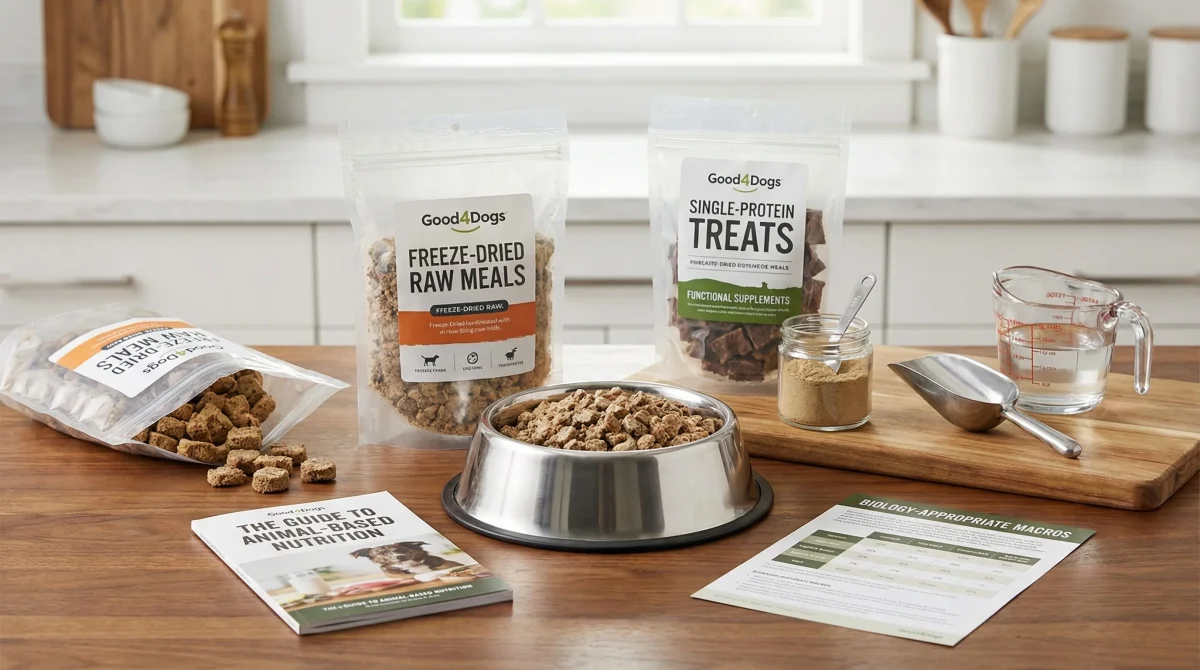
In this pillar guide, the Good4Dogs team explains how freeze‑drying works, how it compares with kibble and raw frozen, and how to portion, rehydrate, and transition safely. You’ll also learn about hypoallergenic options, functional add‑ons, EU compliance, budgeting, and practical menu ideas.
Why Animal‑Based Nutrition for Dogs Matters
Animal‑based diets prioritize bioavailable proteins and fats that align with canine physiology. When thoughtfully composed, they support lean muscle, steady energy, and digestibility, while minimizing fillers.
Biology‑appropriate macros: protein, fat, and minimal carbs
Dogs thrive on high animal protein and moderate animal fat, with low digestible carbohydrates. This mirrors prey‑based macronutrients and supports satiety, coat quality, and resilient metabolism. Raw dog food and freeze‑dried formats keep these macros closer to their natural state, helping maintain lean body mass and steady stools.
Digestive physiology: teeth, enzymes, and gastric acidity
From gripping canines to crushing premolars, a dog’s mouth is built for meat. Their gastric acidity and digestive enzymes suit animal proteins and fats, breaking them down efficiently. Minimizing ultra‑processed starches can reduce gastrointestinal burden and flatten post‑prandial glucose swings.
Processing Methods and Nutrient Bioavailability
Processing changes how nutrients are preserved and utilized. Knowing what heat and moisture do helps you choose confidently.
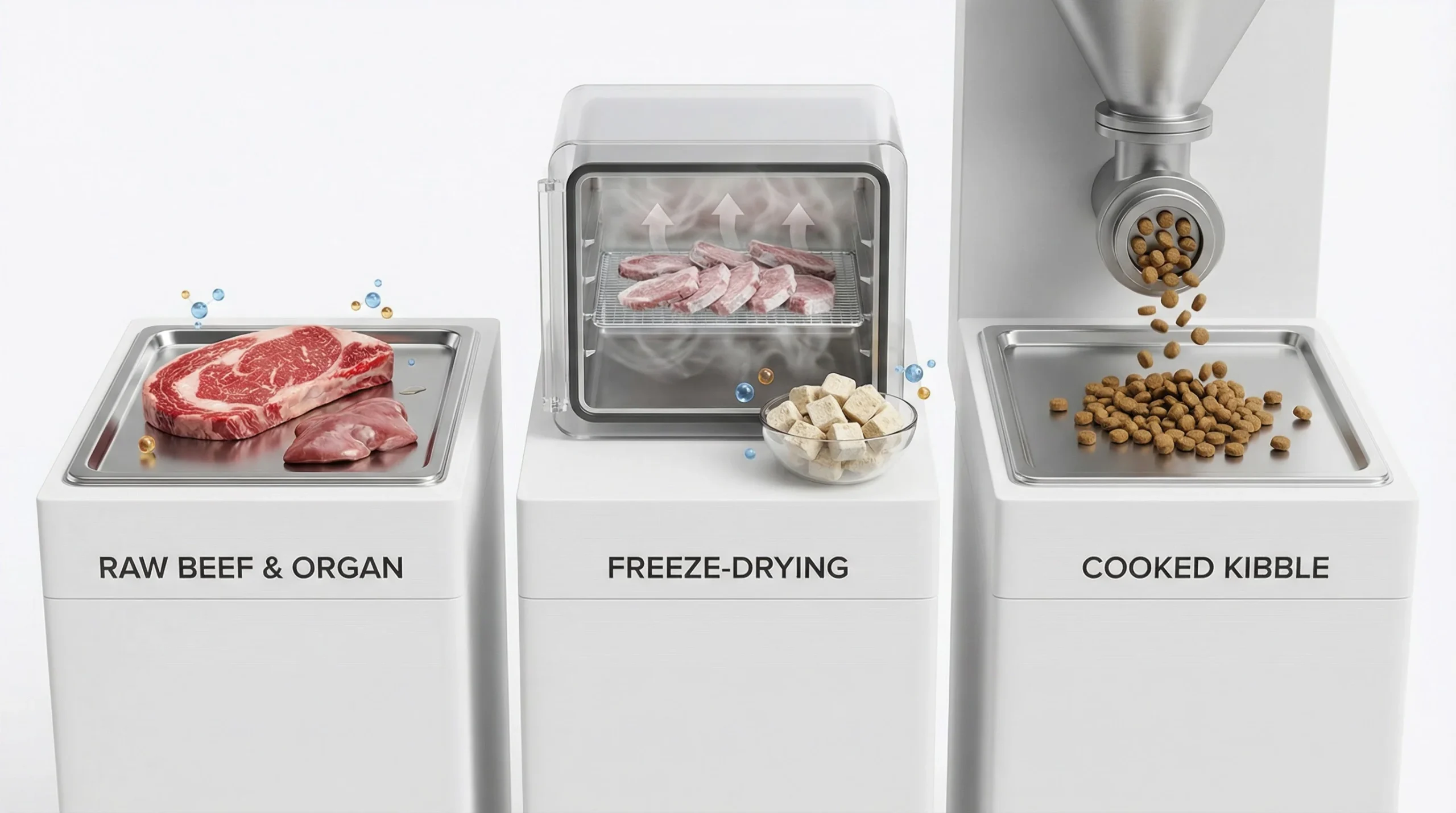
Freeze‑dried vs raw frozen vs kibble: what changes with heat and moisture
Freeze‑drying removes moisture at low temperatures, preserving raw proteins and fats. Studies report indispensable amino acid digestibilities above 90% in freeze‑dried diets, reflecting high bioavailability compared with extruded kibble[1]. Nitrogen‑corrected true metabolizable energy (TME n) also trends higher in frozen and freeze‑dried than in certain hybrid/retorted styles[3][4].
Link: freeze‑dried vs. air‑dried vs. kibble: nutrient retention compared
For a side‑by‑side overview of methods, see freeze‑dried vs. air‑dried vs. kibble: nutrient retention compared. It clarifies how gentle dehydration contrasts with high‑temperature extrusion regarding fats, amino acids, and palatants.
| Method | Heat/Moisture | Nutrient Impact | Convenience |
|---|---|---|---|
| Freeze‑dried | Low heat, moisture removed | High amino acid and fat preservation | Panty‑stable; rehydration needed |
| Raw frozen | No heat, full moisture | Excellent nutrient integrity | Freezer space; thawing time |
| Kibble (extruded) | High heat, steam | Lower AA retention; starch heavy | Ultra‑convenient; no prep |
Freeze‑Dried Raw Meals: How They Work
Freeze‑drying gently removes water from raw ingredients under vacuum, helping preserve structure, aroma, and nutrients while improving shelf stability.
From sourcing to freeze‑drying: preserving nutrients and safety
Producers start with species‑appropriate meats, organs, and sometimes vegetables or fruit. Low‑temperature dehydration preserves delicate fatty acids and amino acids. Reputable brands validate safety via batch testing and HACCP plans. Research shows freeze‑dried formulas can deliver strong digestibility and favorable energy utilization[1][3].
Rehydration basics, texture, and palatability for picky eaters
Add warm water to restore a meaty texture and aroma. Hydrated morsels entice picky eaters and support hydration. Studies comparing formats note meaningful differences in stool and serum markers, pointing to distinct digestive responses across processing types[2].
Takeaway: Gentle processing can preserve more of what dogs are built to use—intact proteins, functional fats, and appealing aroma—while delivering room‑temperature convenience.
Practical Feeding: Portions, Water, and Transition
Consistency is king. Measure portions, rehydrate well, and shift gradually to protect the gut.
Link: re‑hydration ratios, calories per scoop, and feeding calculator
Most freeze‑dried meals rehydrate around 1:1–1:2 by weight. Use warm water, mix, and rest a few minutes. For precision, see our re‑hydration ratios, calories per scoop, and feeding calculator to align calories with activity and body condition.
Link: 7‑day transition plan to freeze‑dried raw
Transition gradually to minimize digestive upset. A typical plan increases freeze‑dried while reducing old food over a week. Many pet owners find Everfresh Freez-Dried food – Beef 500g helpful for this task. For step‑by‑step guidance, follow our 7‑day transition plan to freeze‑dried raw.
- Day 1–2: 25% new, 75% old.
- Day 3–4: 50% new, 50% old.
- Day 5–6: 75% new, 25% old.
- Day 7: 100% new; monitor stools and energy.
Single‑Protein Treats and Hypoallergenic Choices
Targeted treats support training, enrichment, and elimination diets without inflaming sensitivities.
When to use limited‑ingredient, single‑protein treats
During elimination trials, keep treats identical to the meal protein to avoid confounding results. Single‑protein dog treats reduce cross‑exposure, support focus in training, and deliver high‑value reinforcement with simple ingredient lists.
Link: hypoallergenic proteins like horse for sensitive dogs
Novel proteins can help pinpoint triggers. For sensitive dogs, learn when to choose hypoallergenic proteins like horse for sensitive dogs. In practice, “hypoallergenic dog food horse” recipes can be powerful tools when used consistently and with strict label reading.
Functional Nutrition: Targeted Add‑Ons
Think of functional extras as precision tools. Add them to a balanced base to support specific wellness goals.
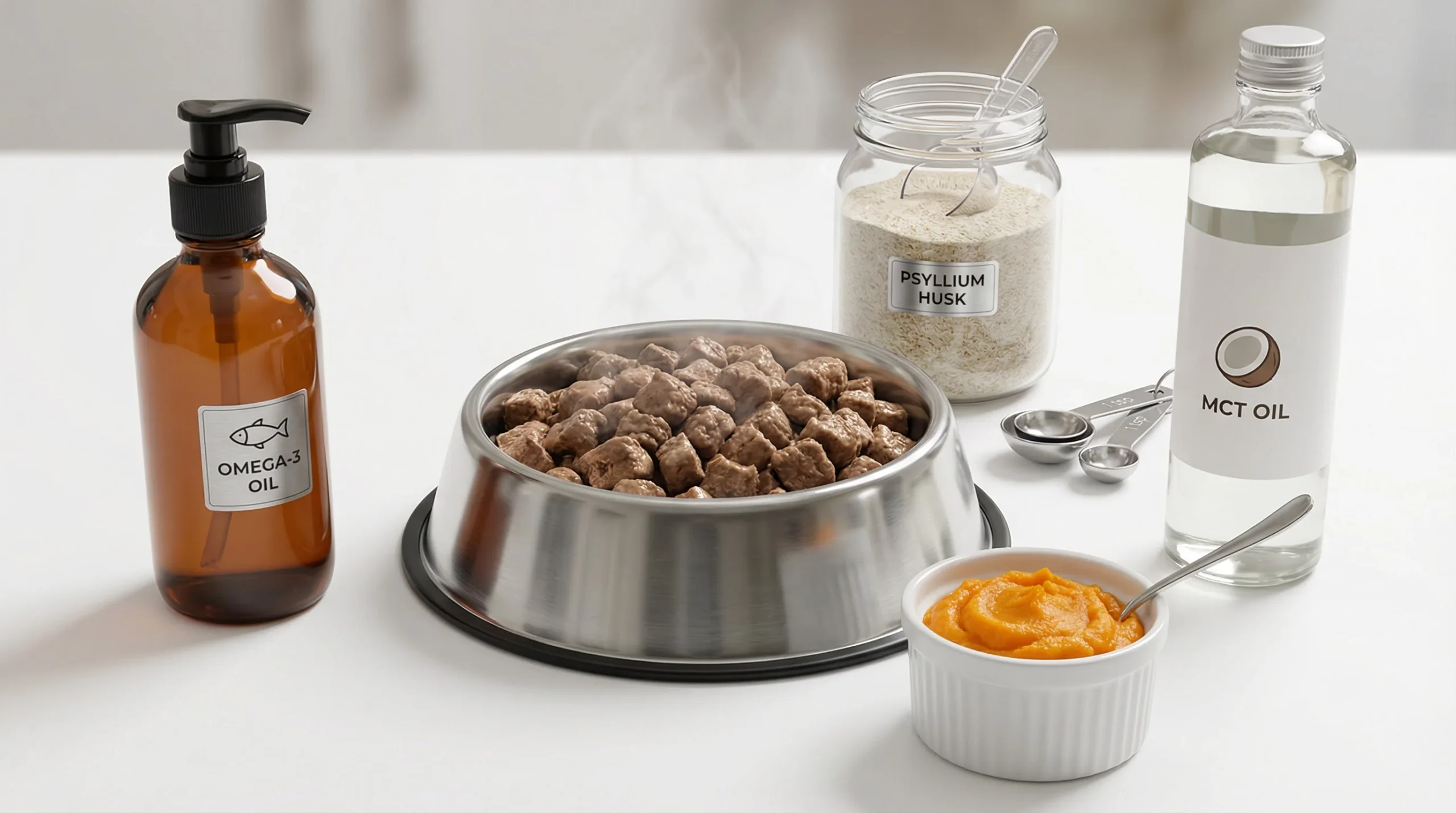
Balancing base meals with functional fats and fiber
Top meals with omega‑rich fish oil for skin support or MCTs for focused energy. Add soluble fibers (pumpkin, psyllium) to modulate stools. These tweaks fine‑tune animal‑based meals without diluting protein density.
Link: functional mushrooms (Lion’s Mane, Cordyceps) for canine wellness
Adaptogenic fungi are gaining evidence in pet nutrition. Explore functional mushrooms (Lion’s Mane, Cordyceps) for canine wellness to understand sourcing, beta‑glucan content, and when functional mushrooms for dogs make sense alongside regular training and vet‑led care.
Quality, Sourcing, and Compliance in the EU
Trust is built on traceability and transparent labeling. EU frameworks help ensure safety across the supply chain.
Traceability and species‑specific ingredients
Look for clear meat and organ naming (e.g., “beef heart,” not “animal derivatives”), batch or lot codes, and supplier traceability. Species specificity matters for allergy control and nutritional clarity in animal‑based pet nutrition.
Link: EU pet food labeling, safety and sourcing transparency
Understanding labels empowers better choices. Review EU pet food labeling, safety and sourcing transparency to decode claims, learn about HACCP, and see how small producers document origins and test for pathogens.
Budgeting the Bowl: Cost, Convenience, and Use‑Cases
Match format to lifestyle. Some households feed freeze‑dried full‑time; others blend with raw frozen or kibble for budget or logistics.
Link: cost per meal: freeze‑dried vs. raw frozen vs. kibble
Costs vary by brand, protein, and dog size. For planning, see cost per meal: freeze‑dried vs. raw frozen vs. kibble. This helps compare per‑calorie prices against convenience, storage needs, and preparation time.
Link: raw‑on‑the‑go: travel, hiking and hotel feeding made easy
Freeze‑dried shines for travel, hiking, and boarding—lightweight, no thawing, simple cleanup. It’s ideal for mixed households: raw nutrition at home, shelf‑stable on the road. Keep a spare bag for emergencies and sitter‑friendly instructions.
Where Good4Dogs Fits Day‑to‑Day Feeding
As a small Slovenian family company, Good4Dogs crafts freeze‑dried raw food, single‑protein treats, and supplements designed for practical, wholesome feeding.
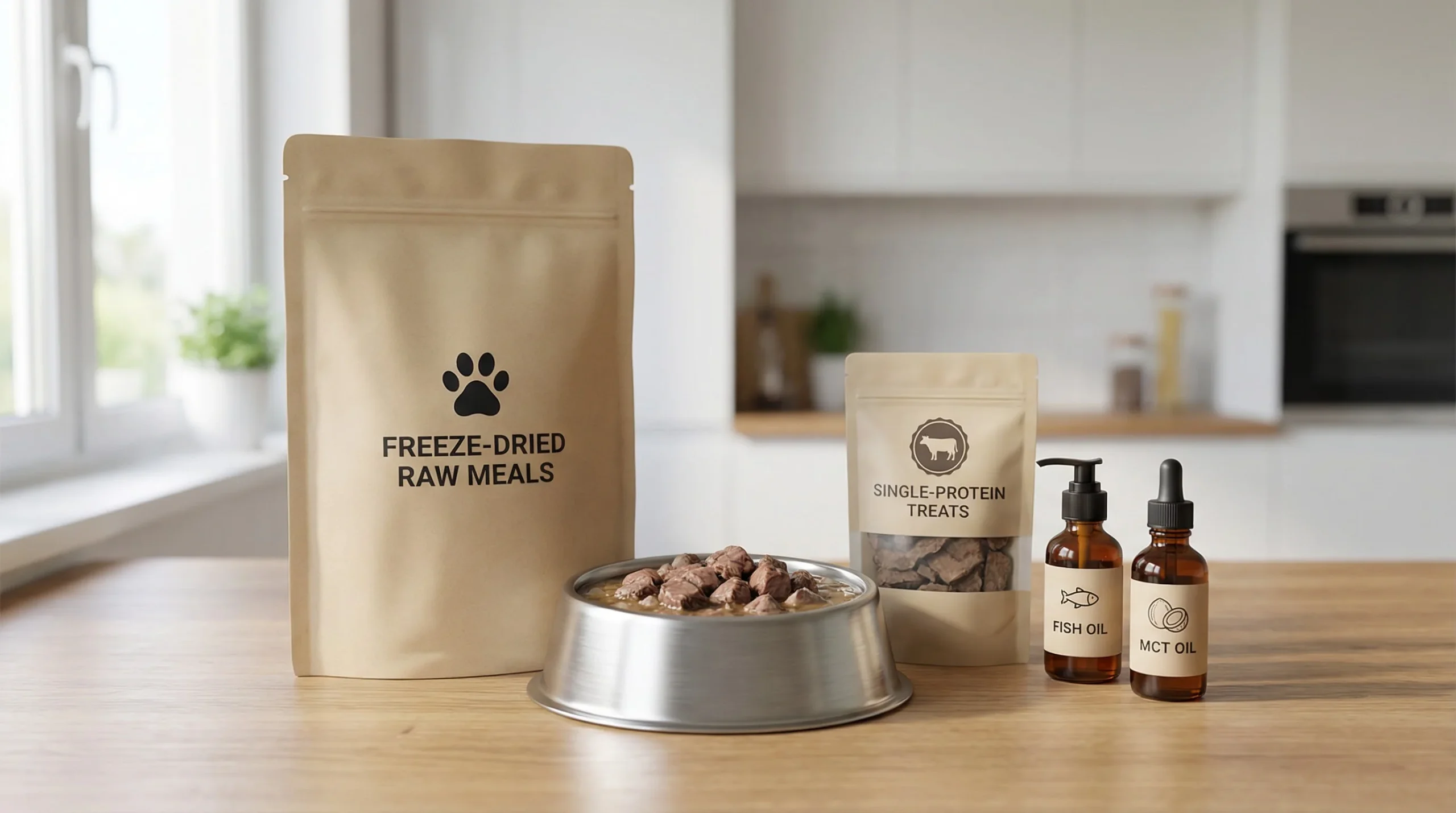
Everfresh full meals, single‑protein treats, and functional supplements
Our Everfresh full meals emphasize meat, organs, and thoughtful produce. Single‑protein treats keep training clean and allergy‑safe. Functional add‑ons support goals like skin comfort, joint resilience, or focus—without replacing balanced meals.
Example daily menus for different dog sizes and activity
Active medium dog: two freeze‑dried meals rehydrated, topped with fish oil and a fiber spoon at dinner. Small senior: smaller portions, extra hydration, gentle protein source. High‑drive working dog: denser calories split into three feedings to sustain performance.
- Morning: Rehydrated freeze‑dried meal + omega‑3 topper
- Midday: Single‑protein training treats during walks
- Evening: Rehydrated meal + fiber addition as needed
Resources for Partners and Stockists
Retailers can help pet parents upgrade confidently by mastering the basics and showcasing benefits.
Training staff to answer freeze‑dried FAQs
Coach teams on rehydration, transition timing, and storage. Provide quick calculators, allergy protocols, and clear positioning versus kibble and raw frozen. Demos and sample cups help shoppers feel texture and see palatability.
Link: B2B retail guide: merchandising freeze‑dried nutrition
For planograms, messaging, and sampling strategies, explore our Retail Playbook: How to Position Freeze‑Dried Animal‑Based Nutrition In‑Store. It includes signage ideas, staff scripts, and ways to tie in treats and supplements.
Frequently Asked Questions
Is freeze‑dried dog food raw and safe?
Freeze‑dried meals are made from raw ingredients and dehydrated at low temperatures to reduce moisture while preserving nutrients. Use brands with pathogen testing, clear sourcing, and handling guidance to ensure safety.
How much water should I add to freeze‑dried food?
Most products rehydrate at roughly 1:1 to 1:2 food‑to‑water by weight, but always follow the brand’s ratio. Aim for a moist, meaty texture and adjust water for individual preference and hydration needs.
Can dogs with allergies eat freeze‑dried meals?
Yes, especially single‑protein, limited‑ingredient recipes. Novel proteins like horse can help identify and manage sensitivities when used consistently and without cross‑contamination.
Do functional supplements replace a balanced meal?
No. Functional add‑ons (e.g., mushrooms, targeted fats, fiber) complement a complete diet to support specific goals such as immunity or focus. They should not substitute a balanced base meal.
How do freeze‑dried costs compare to kibble or raw frozen?
Freeze‑dried is typically pricier per calorie than kibble but offers raw‑like nutrition and unmatched convenience. Versus raw frozen, it often costs more per meal but saves on storage, prep, and travel logistics.
Evidence spotlight: Multiple trials comparing raw frozen, freeze‑dried, and extruded diets show higher amino acid digestibility and favorable energy utilization in raw and freeze‑dried formats versus certain processed types[1][3][2].
Conclusion
Freeze‑dried dog food brings raw nutrition into everyday life—nutrient‑dense, palatable, and travel‑ready. By understanding processing, rehydration, portions, and smart add‑ons, you can tailor an animal‑based plan that fits health goals and routine. Whether you’re managing sensitivities, fueling performance, or simply seeking convenient whole‑food feeding, a thoughtful freeze‑dried approach makes it easier to nourish dogs the way nature intended. As always, transition gradually, read labels closely, and consult your veterinarian for individualized needs. The result is a bowl that’s simple to serve and a joy for dogs to eat.
References
- EL Geary et al. (2023). Standardized amino acid digestibility and nitrogen-corrected true metabolizable energy of frozen raw, freeze-dried raw, fresh, and extruded dog foods using precision …. Journal of animal …. View article
- EL Geary et al. (2024). Apparent total tract nutrient digestibility of frozen raw, freeze-dried raw, fresh, and extruded dog foods and their effects on serum metabolites and fecal characteristics …. Translational Animal …. View article
- PM Oba et al. (2023). Standardized amino acid digestibility and nitrogen-corrected true metabolizable energy of frozen and freeze-dried raw dog foods using precision-fed cecectomized …. Journal of animal …. View article
- EL Geary et al. (2025). … amino acid digestibility and nitrogen-corrected true metabolizable energy of frozen raw, freeze-dried raw, mildly cooked, and retorted dog foods using the precision …. Journal of animal …. View article